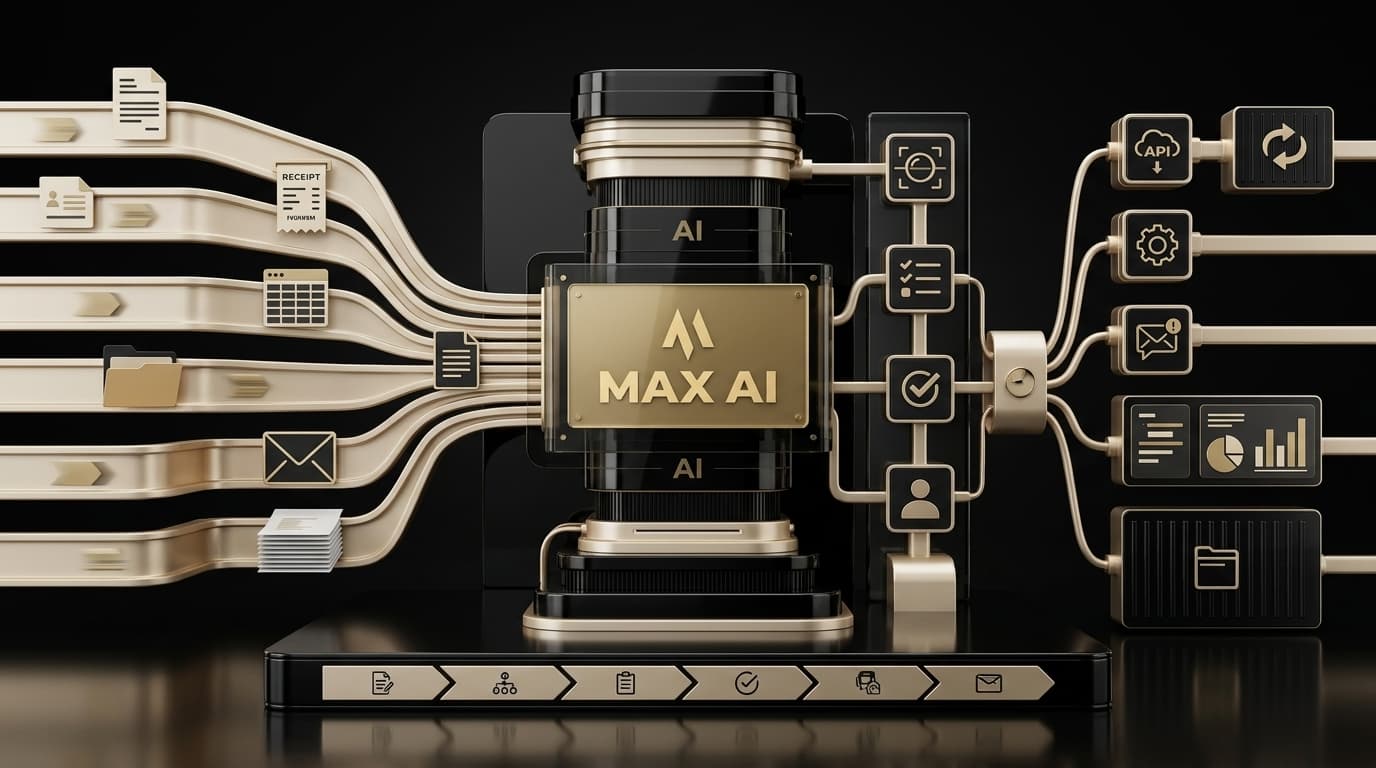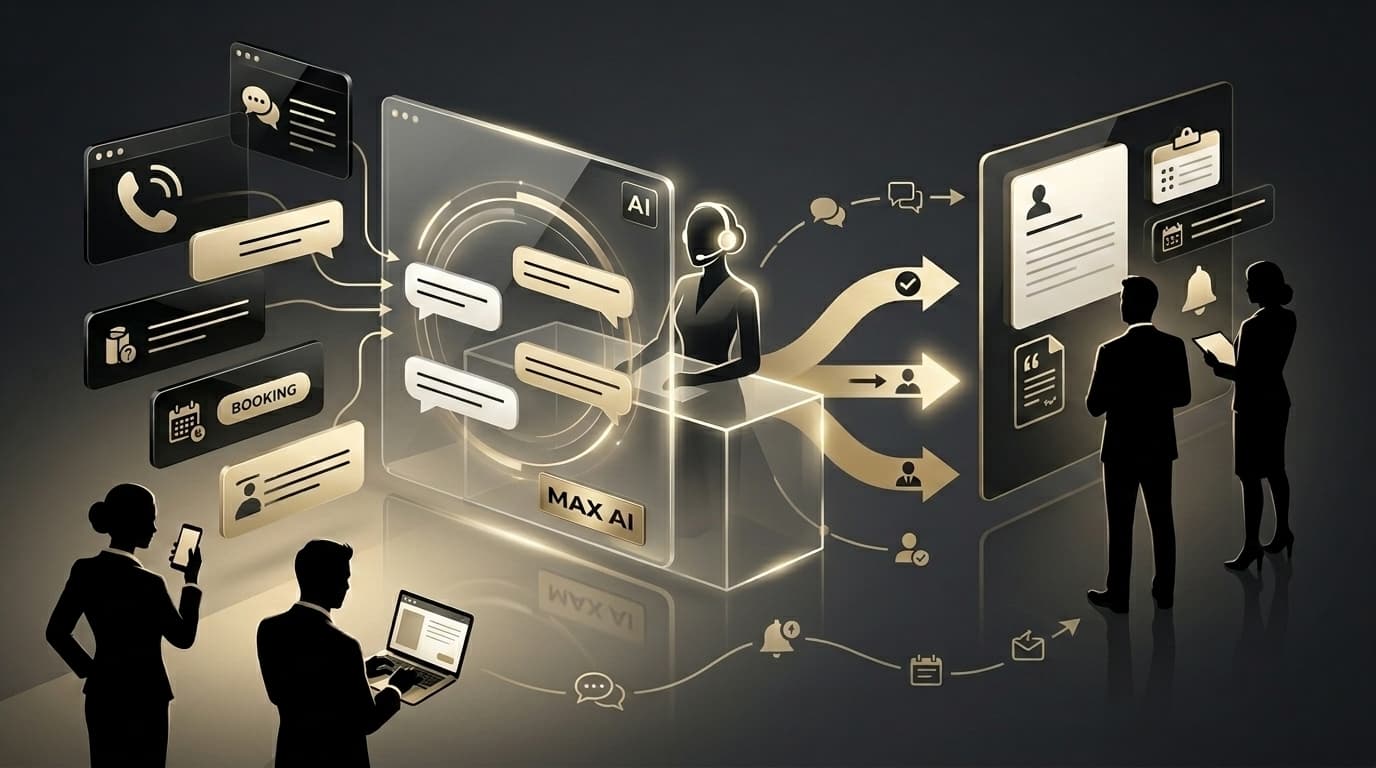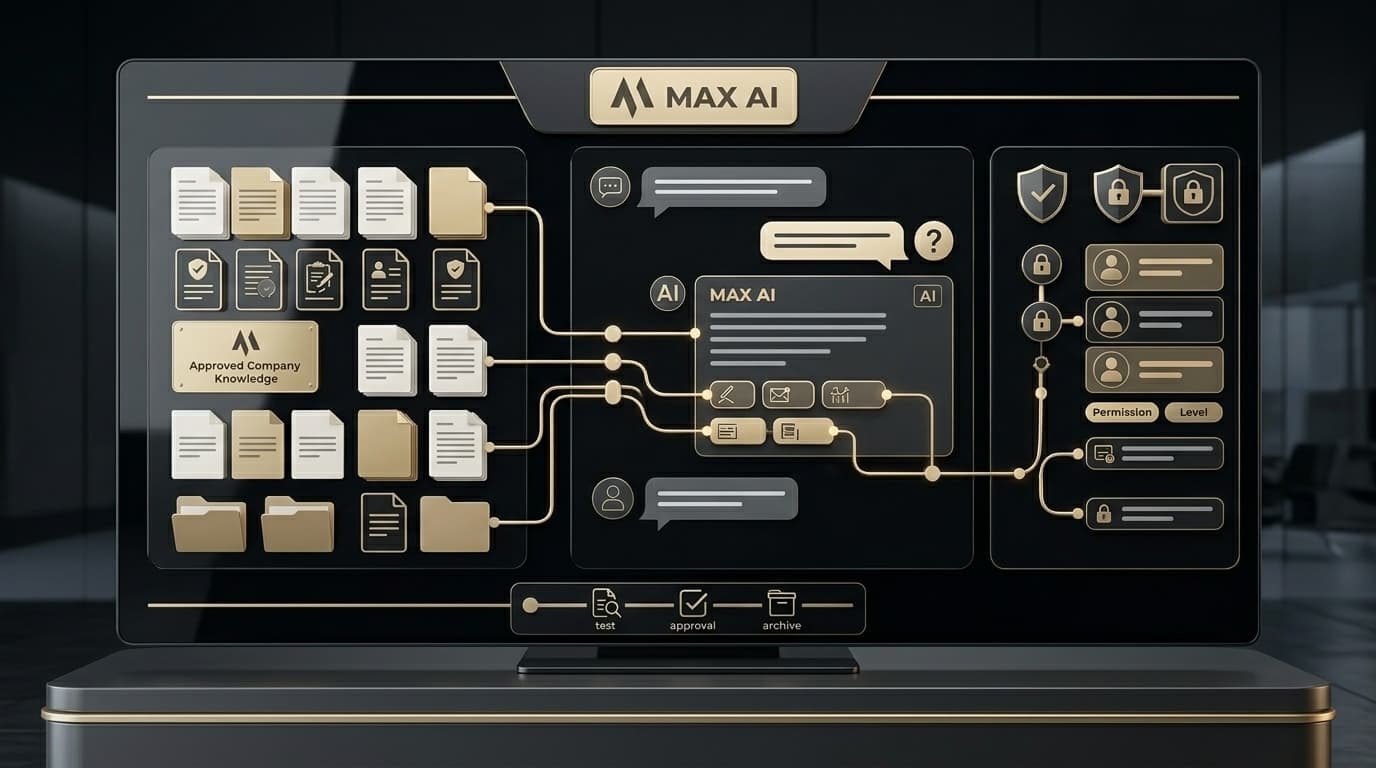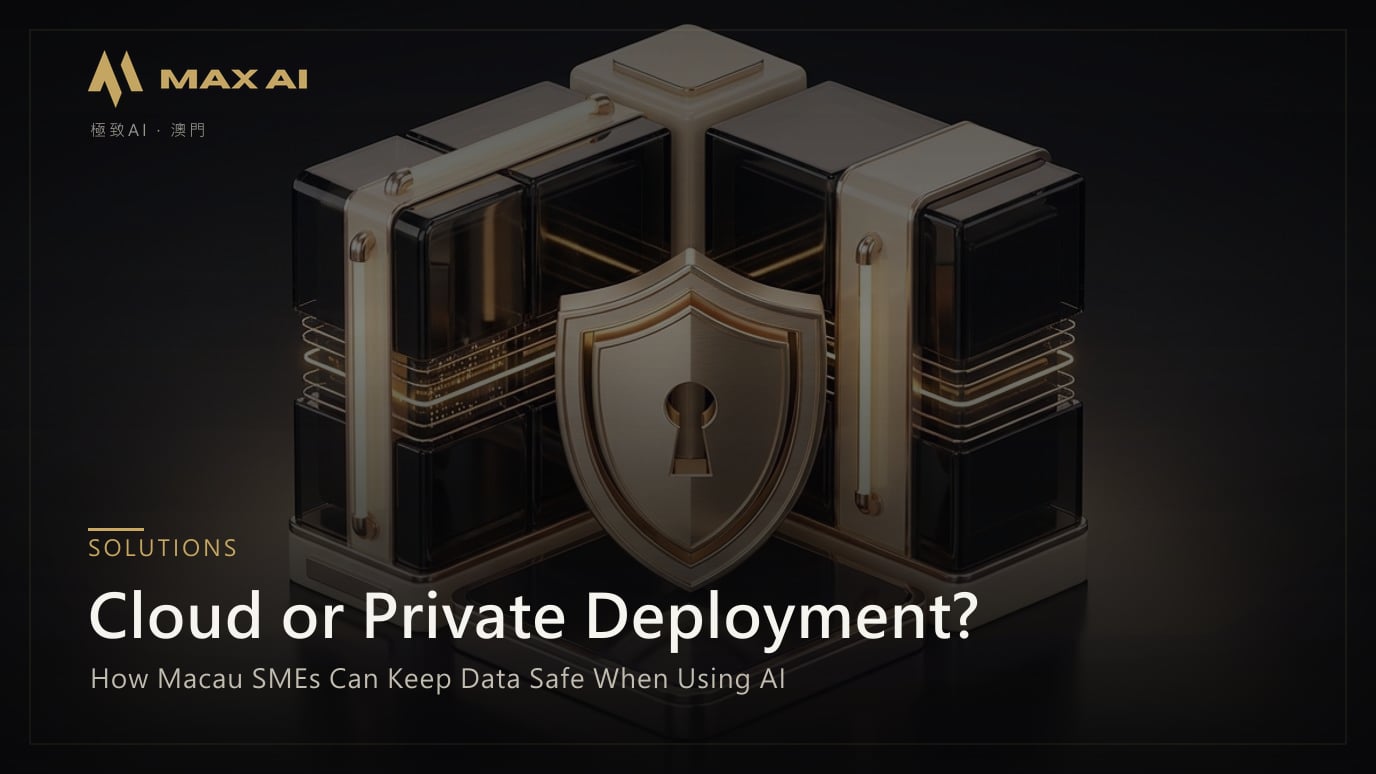
Late at night, you casually paste a client contract into a free AI summary tool, or use a cloud service to analyze the latest sales data—the next second, this data may have been stored on an overseas server, becoming fuel for model training. For Macau SMEs, data leakage is not just a business loss; it can also violate the Personal Data Protection Act. For enterprise data security in Macau, the answer is straightforward: relying on public cloud AI does give third parties potential access to your data; to protect sensitive data, private deployment is currently the most practical solution.
Data Risks of Cloud AI: Don't Gamble with Contracts
Most free or low-cost AI tool service terms allow providers to use your input data to improve models. Data is stored overseas, and you cannot control who has access—for accounting firms, law firms, medical institutions, or even any retail store handling customer names and phone numbers, this is a compliance minefield. Imagine a lawyer pasting a yet-to-be-publicized prospectus chapter into a public AI for polishing—once leaked, it's not just a client lawsuit; when regulators inquire, you won't even be able to account for the data trail.
Some bosses think "enterprise cloud is safe," but even paid versions have Data Processing Agreements (DPA) that may not guarantee data stays only in Macau, let alone prevent sudden provider policy changes. To truly lock down data from leaving, you must put the AI on your own premises.
Private Deployment: Data Stays In-House, But Three Trade-offs to Consider
Private deployment means installing the AI model on your company's servers or dedicated cloud environment, all computations occur under your control, and data never leaves the corporate network. Imagine an accounting firm setting up an internal AI for employees to query tax cases—all query records and document content remain internal. But this is not a feature you can turn on instantly; you need to honestly face three trade-offs:
- Initial Setup Cost: You need to purchase or lease servers, or set up in a private cloud. The upfront investment depends on data volume and use case scale; it's definitely not a "just install software" deal.
- Maintenance Threshold: The system requires regular updates, security monitoring, and troubleshooting. If you don't have a professional team, you can outsource maintenance rather than building an AI engineering department.
- Response Speed and Model Updates: Private models don't get new features weekly like public clouds, but you gain stability and control, without being caught off guard by provider policy changes.
Key Criterion: Don't lock down operations just to lock down data. First identify which data absolutely must not leave, then isolate only that part.
You May Not Need Private Deployment at All
Not every enterprise needs to cage their AI. If you only use AI to generate social media posts, organize public information, or handle internal analysis that involves no personal data, public cloud services are sufficient. Or if you use enterprise-level solutions with strict DPAs specifying data storage locations, the extra cost and complexity of private deployment may not be worthwhile.
A practical approach is to conduct a data risk audit: identify the data in business processes that "absolutely cannot leave," and deploy private solutions only for that part; use cloud tools flexibly for the rest. Implementing a blanket lockdown wastes resources and may slow down team efficiency.
Decision Framework: Three Steps to Isolate Sensitive Data
Instead of guessing, use a simple framework to decide which data should go into a private environment:
- List all AI application scenarios: contract summaries, customer Q&A, market analysis, internal knowledge bases, etc.
- Tag data sensitivity:
- High sensitivity: personal ID numbers, medical records, undisclosed financial data → must be private
- Medium sensitivity: internal communications, non-personal sales statistics → can use enterprise cloud with a signed DPA
- Low sensitivity: public news summaries, social media drafts → public cloud AI is sufficient
- Implement isolation: Build a private environment only for high-sensitivity processes, and control boundaries with firewalls or API gateways.
A common misconception: Thinking that "de-identifying" data before sending it to the cloud makes it safe. In reality, cross-referencing multiple de-identified datasets can still re-identify individuals, and under regulations, this is still considered personal data.
Frequently Asked Questions
Q: Is private deployment definitely safer than cloud?
A: Not necessarily. If the company lacks internal security updates and monitoring, an outdated private system can be even more vulnerable. The key is continuous management and auditing, not simply being "offline."
Q: SMEs have limited budgets; how to start?
A: Start with the "most risky single process," such as customer data queries, using a lightweight open-source model on existing servers. Gradually verify benefits before scaling.
Q: The AI tool I use says it won't store my data; can I trust that?
A: Read the privacy policy carefully. Look for vague phrases like "analyze usage data to improve services." If in doubt, ask the provider for an independent compliance audit report.
Let Professional Judgment Guide You
Data security is not an IT exam; it's a trust decision for business owners. MAX AI has been rooted in Macau since 2023, accompanying SMEs step by step to sort out compliance requirements and design truly implementable private architectures—no hype, no lock-in. Instead of guessing the risks yourself, take a free AI business diagnosis to help us clarify data flows, compliance gaps, and the lightest isolation approach.
Welcome to WhatsApp +853 6386 1457 or email [email protected]. You can also visit maxai.com.mo to learn how to use AI safely for your benefit.