Every time a new colleague joins, you have to teach them from scratch; when a senior colleague leaves, valuable experience disappears; when a client asks about an obscure process, colleagues have to dig through emails before replying—this isn’t just one company’s frustration; it’s a scene played out daily in many SMEs.
These seemingly minor delays are quietly eroding your competitiveness. Clients who don’t get immediate responses may turn to the next vendor; new employees who can’t work independently make you hesitant to delegate, naturally hindering business expansion. Worse, the company’s most important knowledge exists only in the minds of a few veteran employees—if any of them suddenly take leave or leave the company, the entire team could grind to a halt.
What’s the Cost When Company Knowledge Stays Only in Minds?
Knowledge gaps bring not just the fatigue of repetitive daily answers, but also customer churn, stalled growth, and even operational risks. Each time you search for information it takes half an hour; accumulated, that’s a black hole for team productivity. In the long run, without the ability to pass on experience, each generation starts from scratch, always playing catch-up without building lasting advantages.
Equip Your Company with an AI Brain, Let Knowledge Speak for Itself
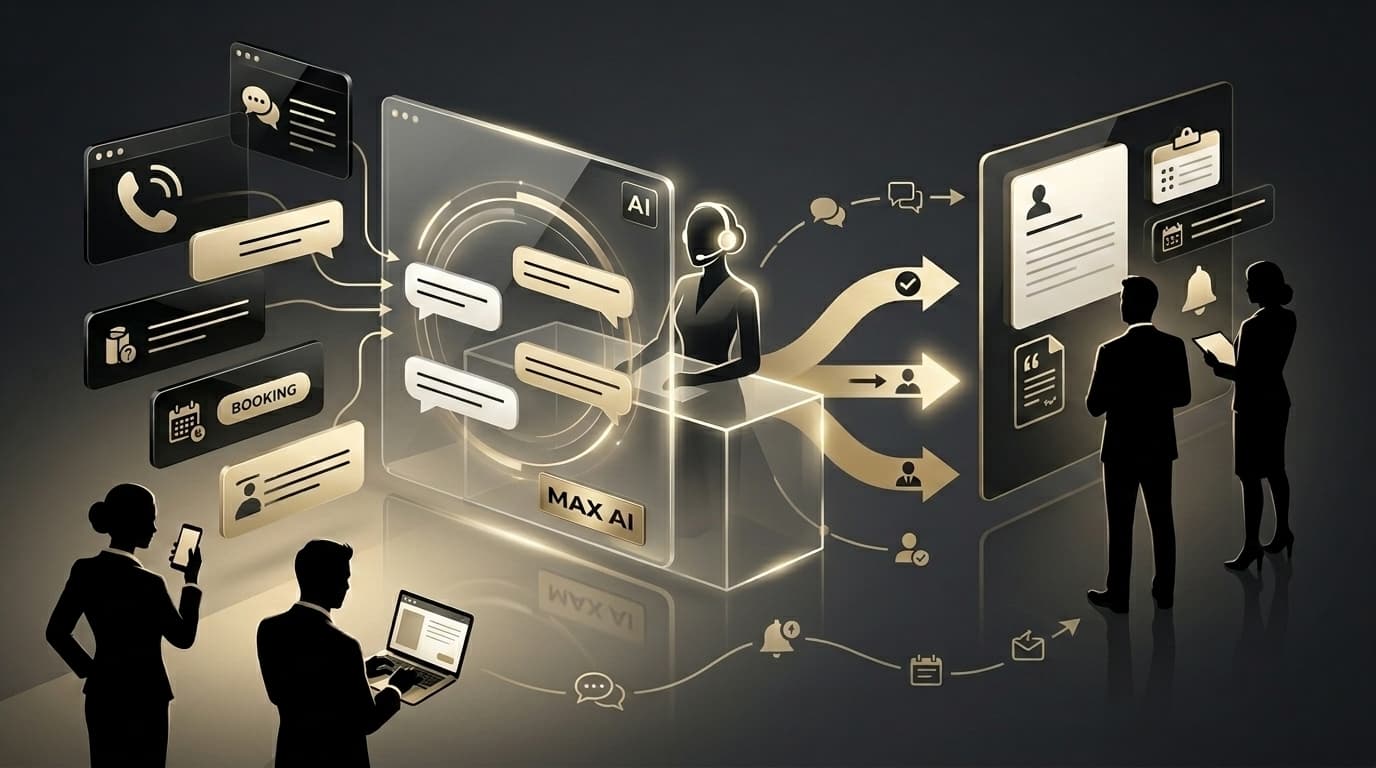
Isn’t there a way to securely store years of accumulated product data, process documents, and contract terms, turning them into a reliable assistant that answers questions on demand?
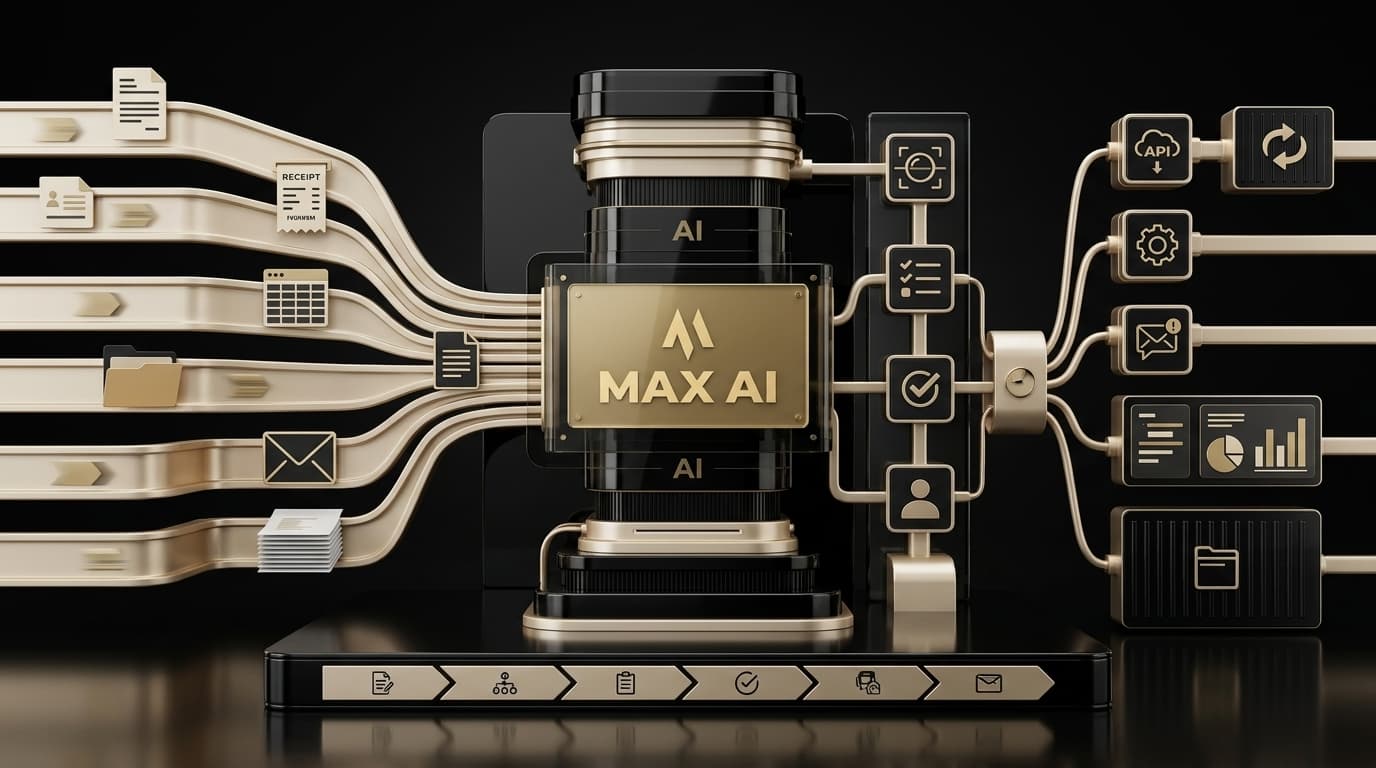
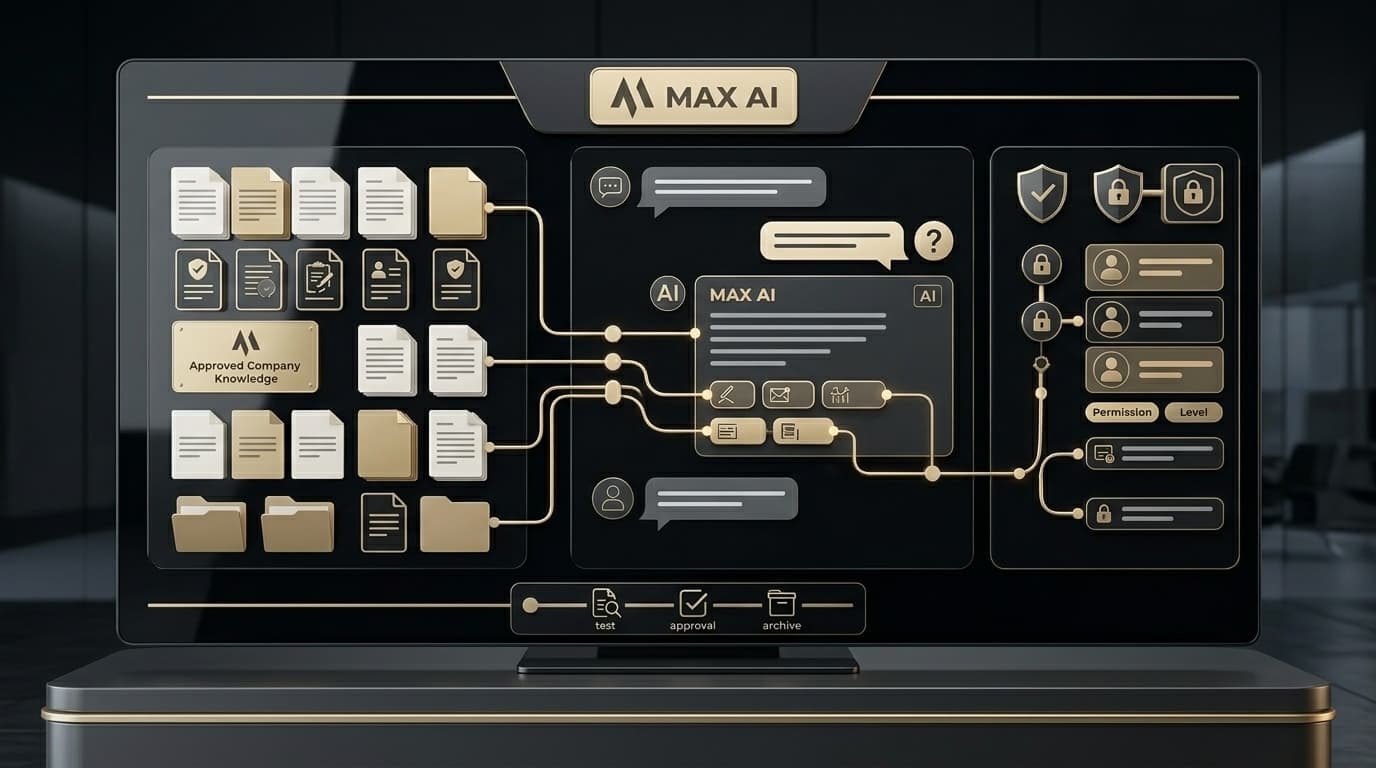
The exclusive AI Brain built by MAX AI for businesses is exactly for this purpose. The principle is simple: we help you organize important internal data and convert it into a 'knowledge base' that AI can read (the industry calls this technology RAG—you don’t need to remember the term, just know it lets AI read only your company’s data and give reliable answers). Then, colleagues can ask questions just like normal conversation—'What should be filled in this form?' 'What are the steps for customer returns?'—and the AI Brain will instantly find the most accurate answer from the data and reply in natural language. It only knows your company’s content, all knowledge stays within the company and is not shared externally, ensuring confidentiality and security.
Imagine: new colleagues no longer have to pester others all day and can quickly get up to speed; senior colleagues can ask AI about a three-year-old quotation directly without digging through file folders; what’s more, you can record decision-making principles and industry experience, transmitting company wisdom from generation to generation, no longer disappearing with personnel changes.
This is not a distant tech concept—it’s a capability that can be implemented now, tailored to your company. Every business’s knowledge is unique, and it deserves to be well organized and well used.
Make Your Company Smarter
MAX AI offers a free AI business diagnostic—let’s first understand your operations, then plan the best starting point together. Feel free to WhatsApp us at +853 6386 1457, or visit maxai.com.mo to book a free AI business diagnostic, turning your company knowledge into your most reliable AI colleague.