Every morning, you return to your office and open one Excel report after another—the sales department has one version, the warehouse another, and accounting yet another. The numbers never match, so you have to call each person to follow up. Time is wasted on cross-checking, merging, and chasing progress. By the time you finally see the summary from 'last month', the market may have already changed. This is not about employees not working hard, but because Excel itself is not designed to give bosses real-time visibility into the overall picture.
Are You Still Managing Your Business Manually with Excel? The Cost Is More Than Just Overtime
For many SMEs in Macau, Excel is a reliable partner, but when business grows with additional branches or channels, problems arise. Data scattered across different files and version chaos are the most common pain points. Take a souvenir shop that sells both in-store and online: inventory records are updated separately by different colleagues, and only at month-end do they discover that some products are out of stock while others are over-ordered. No one intentionally makes mistakes, but if one person forgets to input the latest numbers, the entire report loses its value. More critically, you cannot see 'what is happening right now'—which product is selling best today, which order is stuck. Excel cannot proactively tell you; you have to wait for problems to surface or for post-event reports, which is often too late. Time and opportunities slip away while waiting for manual data entry and verification. When competitors can already monitor operational figures in real time on their phones, companies still manually updating Excel are doing business with outdated information speed.
No Need to Abandon Excel, But Let AI Automate Repetitive Tasks for You—Turning Data into Real-Time Insights
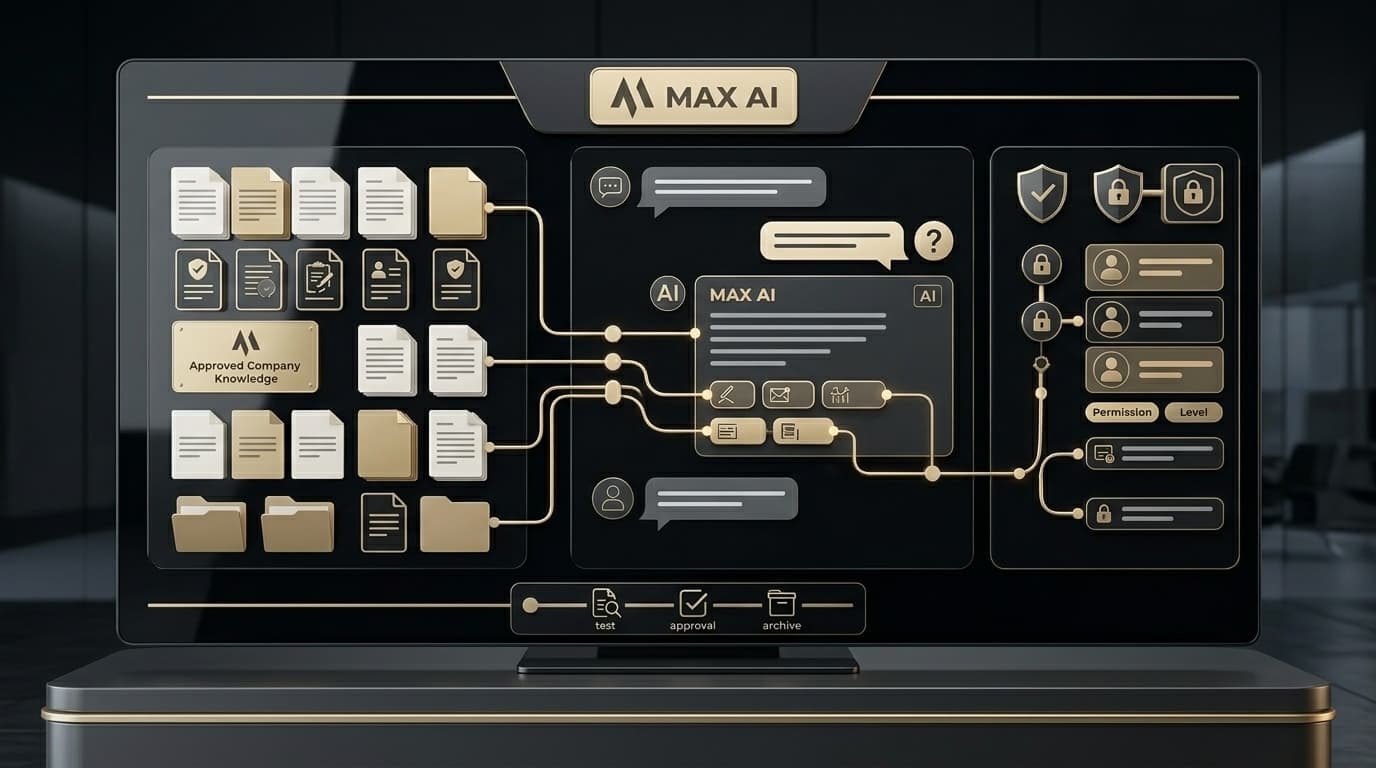
The good news is you don't need to abandon Excel immediately, nor spend a fortune on complex systems. The key is to hand over the 'slow and error-prone' tasks to AI to connect them. If every sales order, customer inquiry, and inventory change can be automatically recorded in the same backend and presented in real time on a mobile Dashboard, you'll save a lot of time—just open your phone to see the highlights. Customer service can also become smarter: for example, during tax season at an accounting firm, clients often ask about tax return progress. Previously, you'd have to search Excel or emails, but now an AI chatbot can instantly find answers from the company's knowledge base and reply automatically, freeing up staff for more complex consultations. This isn't science fiction; it's a practical upgrade. Start with the process that troubles you most—maybe cross-location sales records, slow customer service response, or the boss always being the last to know key numbers. Choose one pain point, let AI connect your data, automatically organize it, and notify you in real time. You'll immediately feel the relief of no longer chasing numbers.
Free AI Business Assessment: First Identify Which Processes Are Most Worth Automating for You
Of course, not every company needs to fully implement AI right now. The most worthwhile first problem to solve varies by industry and scale. Instead of immediately investing a large budget, first figure out: for your current business, which process would benefit most from automation? MAX AI offers a free initial AI business assessment. We are an AI consulting firm founded in Macau in 2023, specializing in serving SMEs in the local area and the Greater Bay Area. From website customer acquisition, customer service automation, data organization, to a dedicated in-house AI brain, we help you decide where to start and why it's worth it. You can contact us directly to schedule a brief, no-pressure consultation. We will provide specific improvement suggestions based on your actual business model. Ready to take the first step? Contact us now on WhatsApp or visit our website to learn more.
WhatsApp: +853 6386 1457 Email: [email protected] Website: maxai.com.mo
Instead of continuing to fight with Excel reports, let yourself return to what you should really be doing—leading the company's growth.